First true working version of the NavBot.
I show how you can get the code up and running on your own mobile robot, configure and calibrate it for errors and create your own waypoint based path sequences for the Pilot to execute.
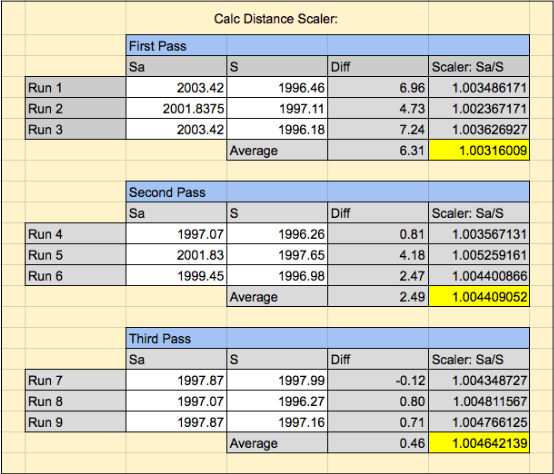
[This is a breakout post for NavBot: Version 1 where I show how to get the NavBot project to run on your own robot.] In a previous post I detailed some of the systematic errors typical for differential type robots and how to correct for them. In this post I’m simply going to show how […]
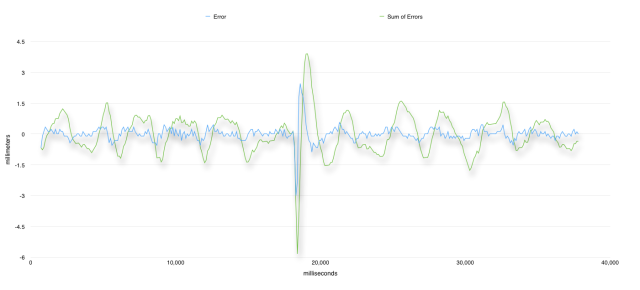

Finally got a handle on dealing with NavBot’s key systematic errors. My ad hoc approach was proving very frustrating. The UMBmark method is simple to perform and gives great results.
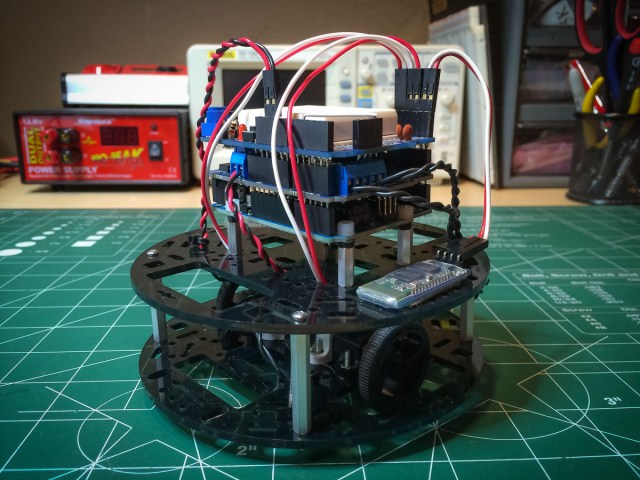
Created a new bot better suited for dead reckoning navigation. And the results?

Using the Zumo bot for dead reckoning was proving difficult due to its tracks. Decided to see if the original WallBot with its smaller wheels could perform better at navigation.

During the development of the NavBot I was forced to deal with and understand the systematic errors (and non-systematic errors) of the Zumo chassis. Maybe I’m expecting too much from a tracked-based dead-reckoning bot.


An overview of how the NavBot Pilot component works. This is still a work-in-progress but taking on solid form. I plan to explain the internal workings once I have it mostly functioning.

 solderspot